Top 10 Innovations in Offshore Wind Turbine Design Transforming the Industry

Introduction to Offshore Wind Innovation

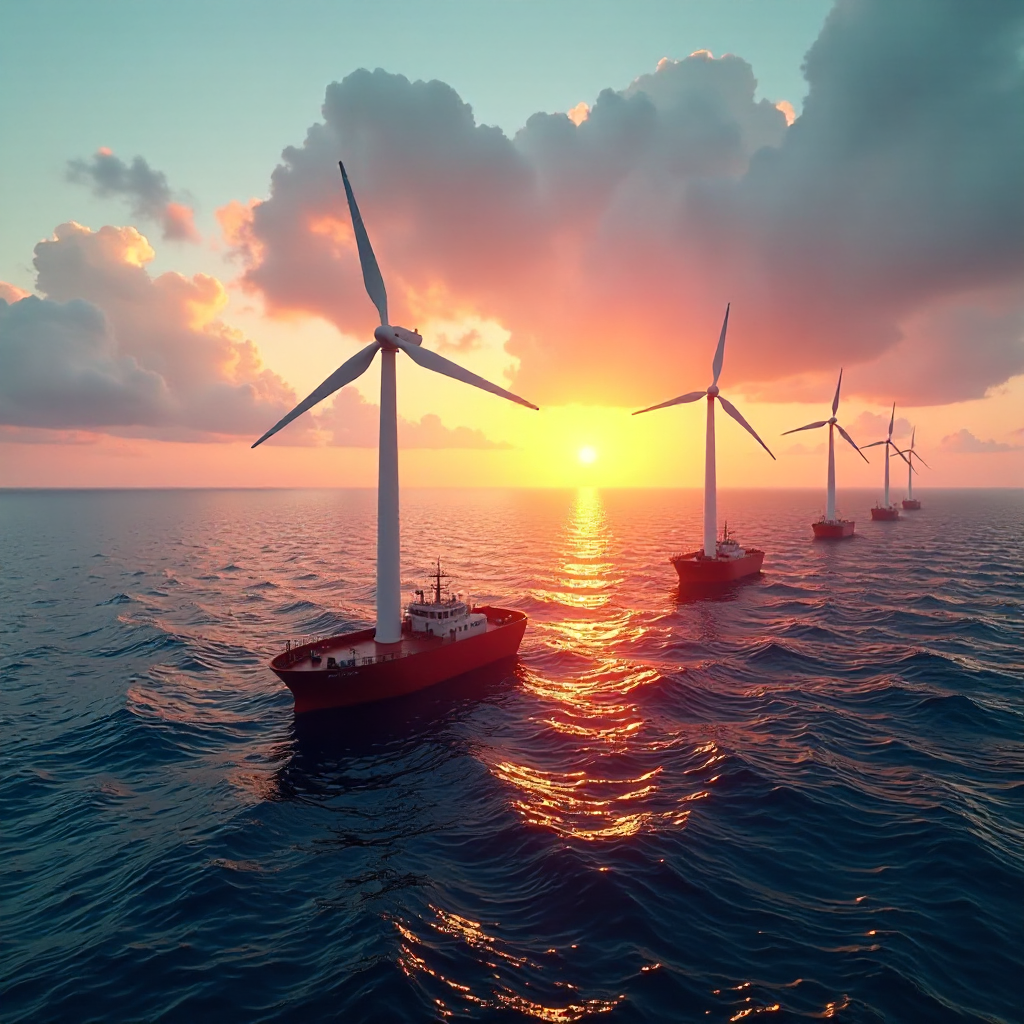
Offshore wind turbines are critical to the global renewable energy transition, delivering large-scale clean power from windy seas. Innovation in offshore wind turbine design advances technology, reduces costs, and unlocks deployment in deeper waters. These breakthroughs accelerate the sector’s growth and contribute to achieving climate targets.

Driven by rising demand, environmental goals, and ambitious funding programs like DemoWind ERA-NET, offshore wind technology is rapidly evolving. Innovations focus on blade design, floating platforms, drivetrains, and digital control systems—all pushing Technology Readiness Levels (TRL) higher and lowering levelized costs of energy (LCOE). This article highlights the top 10 cutting-edge innovations reshaping offshore wind turbine design today.

Advanced Blade Design and Materials

Advanced blade design and innovative materials have significantly improved turbine efficiency, durability, and manufacturability offshore. Longer, lighter blades using carbon fiber composites and optimized aerodynamic shapes capture more wind energy while resisting harsh marine conditions.

Enhanced blade coatings improve resistance to erosion and biofouling, extending operational life and reducing maintenance. Modular blade sections also facilitate transportation and assembly in remote offshore sites.

For example, redesigning blade tip geometry has boosted energy capture by around 5%, while novel resin systems enhance fatigue resistance under cyclic offshore loads. These material and design innovations increase overall turbine output and reliability.

Floating Wind Turbines: Expanding Offshore Opportunities

Floating wind turbines enable deployment in deepwater sites where fixed foundations are infeasible, vastly expanding offshore wind potential. These floating platforms use advanced mooring and dynamic positioning to remain stable in challenging sea states.

This innovation opens new geographic regions for offshore wind development, increasing resource availability and reducing site exclusivity constraints. Floating designs range from spar-buoys to semi-submersibles and tension leg platforms, each suited to different water depths and wave conditions.

Besides innovative platform architecture, reductions in anchoring and installation costs have increased viability. Recent demonstration projects funded by programs like DemoWind ERA-NET support floating technology TRL progression from prototype stages to commercial readiness.

Enhanced Turbine Drivetrain Technologies

Innovations in turbine drivetrains have enhanced reliability and cut maintenance needs, a crucial factor for costly offshore operations. New direct-drive systems eliminate gearboxes, reducing failure points while improving energy conversion efficiency.

Advanced generators with optimized magnetic materials and cooling techniques boost power density and thermal management. Additionally, modular drivetrain components allow easier offshore replacements, significantly minimizing downtime.

These improvements reduce operational expenditures and increase turbine availability, contributing directly to cost reduction in offshore wind projects.

Smart Control and Monitoring Systems

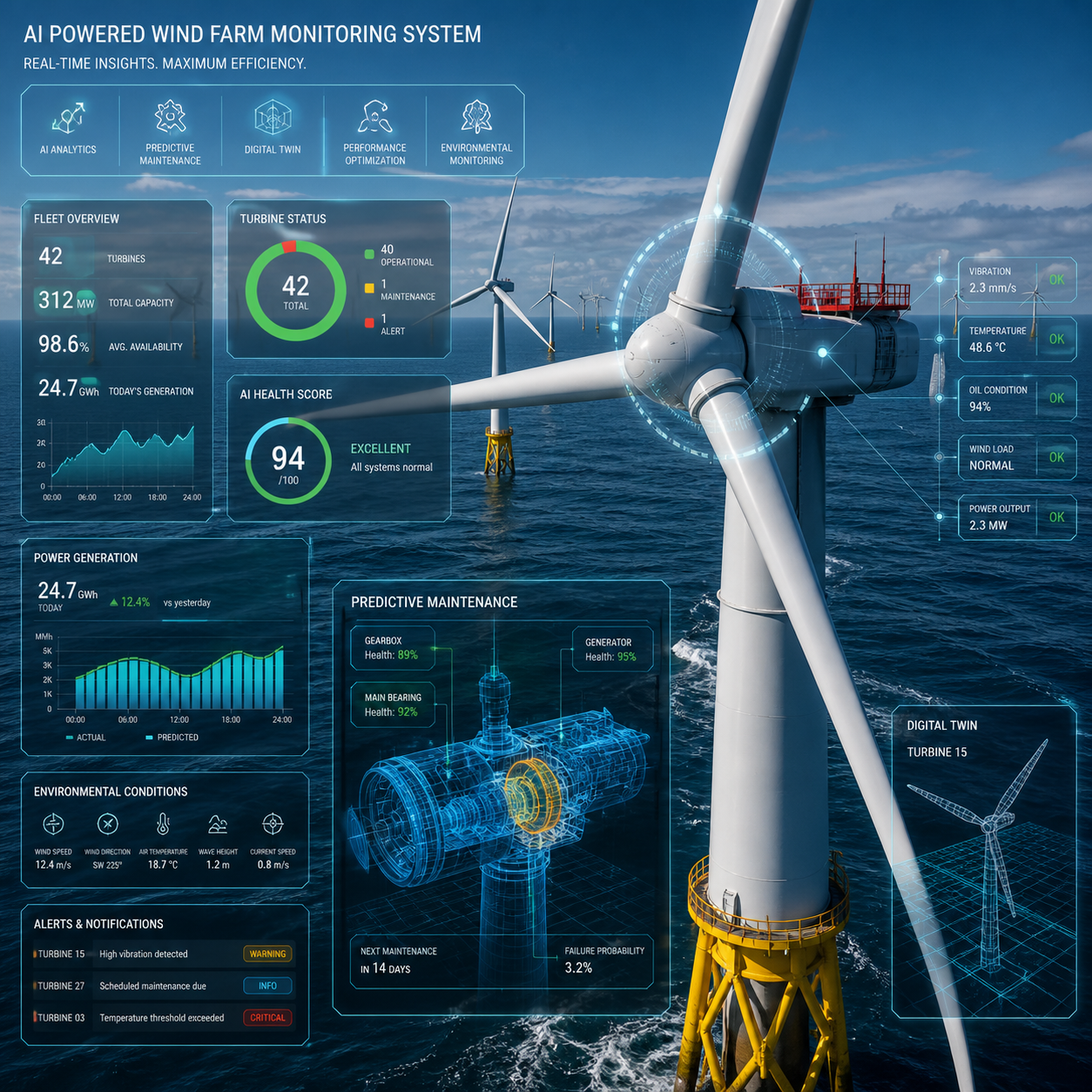
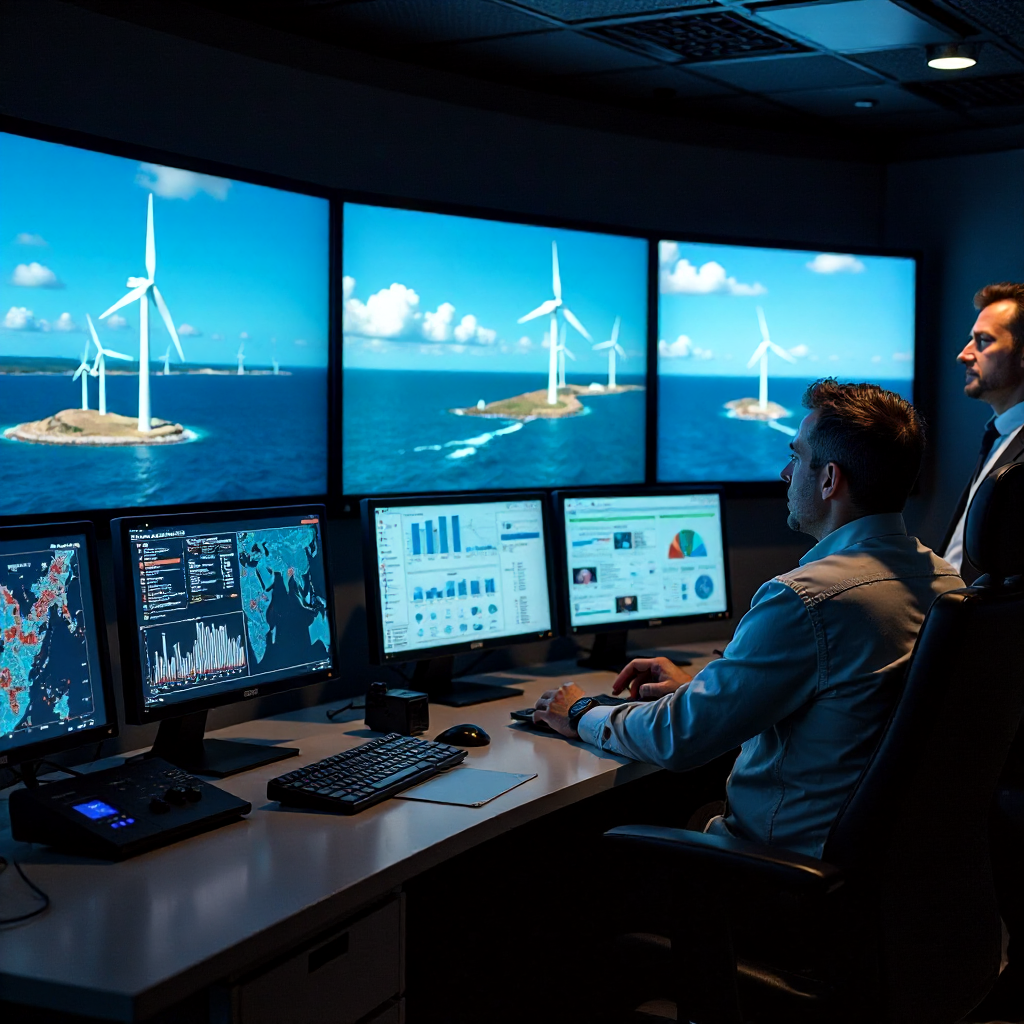
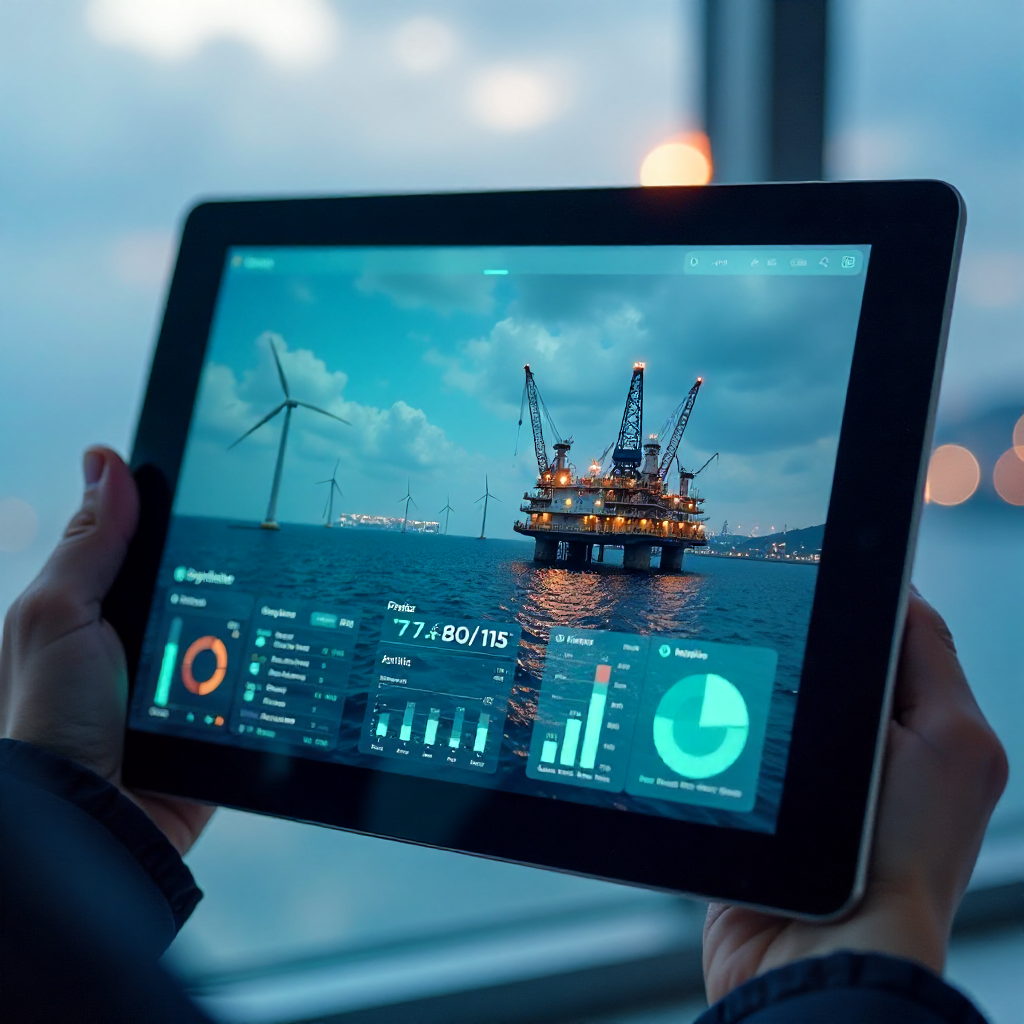
Smart control and monitoring systems leverage digital technologies to optimize turbine performance and asset management. Real-time data acquisition and AI-powered analytics enable predictive maintenance, load adjustment, and optimized energy output.

Remote diagnostics reduce the need for offshore inspections, enhancing safety and cutting operational costs. Integration with weather forecasting and grid management ensures efficient power dispatch and system stability.

These sophisticated control frameworks inherently raise the Technology Readiness Level of turbines by improving operational efficiency and lifespan.

Cost Reduction through Design and Scale

Innovations in design and scaling strategies have driven significant cost reductions in offshore wind, contributing to more competitive levelized costs of energy (LCOE). Larger rotors and turbines capture more wind per unit, achieving economies of scale.

Standardization of components and modular design cuts manufacturing and installation time, while optimization of material use avoids over-engineering. Combined with floating technologies opening cheaper sites, these advances directly lower upfront capital expenses.

Efforts to streamline supply chains and utilize local offshore wind-energy demonstration projects further reduce logistical expenditures, accelerating project timelines and improving investment returns.

On average, turbine design innovations have helped reduce LCOE by 20-30% over the past five years, paving the way for offshore wind’s broader adoption.

The Role of DemoWind ERA-NET and TRL Progression

DemoWind ERA-NET plays a pivotal role in supporting offshore wind turbine innovations by funding demonstration projects that advance Technology Readiness Levels. By bridging the gap between experimental concepts and market-ready solutions, DemoWind accelerates innovation adoption.

This initiative fosters collaboration among research institutes, industry partners, and regulatory bodies, enabling the systematic testing of novel turbine components and systems. TRL milestones guide project development from lab validations (TRL 3-4) to operational demonstration and commercial deployment (TRL 7-9).

Such programs ensure effective application of renewable energy innovation funding, boosting sector confidence and public acceptance while lowering technical risks.

Future Outlook for Offshore Wind Design Innovations

The future of offshore wind turbine design promises even greater advances driven by digitalization, material science, and system integration. Emerging trends include ultra-large rotors exceeding 250 meters, hybrid fixed-floating platform designs, and AI-augmented asset management.

Breakthroughs in energy storage integration and grid interconnection technologies will further enhance offshore wind’s reliability and grid contribution. Continuous cost reduction remains a priority, with novel manufacturing methods like 3D printing and robotic assembly gaining traction.

Despite these exciting prospects, challenges remain around environmental impact, supply chain resilience, and regulatory harmonization. However, as demonstrated by ongoing projects under DemoWind ERA-NET and similar programs, the industry is well-positioned for transformative growth.

Frequently Asked Questions

What are the main benefits of floating offshore wind turbines?

Floating offshore wind turbines allow deployment in deep waters without fixed foundations, unlocking vast areas with higher and more consistent wind resources. They reduce seabed impact, enable easier relocation, and expand project siting options beyond nearshore shallows.

How do new blade materials improve turbine performance?

Innovative blade materials such as carbon fiber composites and advanced resins enhance blade strength, reduce weight, and resist marine conditions. These improvements enable longer blades for greater energy capture, increased durability, and reduced maintenance costs.

What is the significance of TRL in offshore wind innovation?

Technology Readiness Level (TRL) measures the maturity of innovations from concept (low TRL) to proven commercial application (high TRL). Managing TRL progression ensures offshore wind technologies are tested, validated, and de-risked before large-scale deployment, facilitating funding and adoption.

How does DemoWind ERA-NET support technology demonstration?

DemoWind ERA-NET funds collaborative demonstration projects that validate new offshore wind turbine components and systems under real conditions. This accelerates TRL advancement, strengthens partnerships, and promotes knowledge sharing critical to innovation scaling.

What cost reductions are expected from recent turbine design advances?

Recent advances in turbine blade design, drivetrain systems, floating platforms, and digital controls have contributed to a 20-30% reduction in levelized cost of energy (LCOE) over the last five years. Further savings are expected through continued scaling and supply chain optimization.

For more in-depth insights on offshore wind technology and innovation funding frameworks, consult resources from the Wikipedia Offshore Wind Power page or industry reports from leading renewable energy agencies.

{{HOMEPAGE_LINKS}}