Key Challenges in Offshore Wind Installation and Maintenance — and How Innovation Is Closing the Gap
Offshore wind is one of the fastest-growing sources of clean electricity on the planet. But the industry's expansion trajectory runs directly into a set of engineering and logistical constraints that don't have easy answers. Understanding these barriers — in technical terms, not just headline figures — is essential for engineers, project developers, and anyone evaluating where R&D investment will generate the most leverage on Levelized Cost of Energy (LCOE).
Why Offshore Wind Installation Is Fundamentally Harder Than Onshore
Offshore wind installation is significantly more complex than onshore because every operation happens in a dynamic marine environment where weather, tidal forces, and saltwater corrosion compound every engineering challenge. On land, a turbine erection crew can work most days of the year. At sea, that window narrows dramatically.
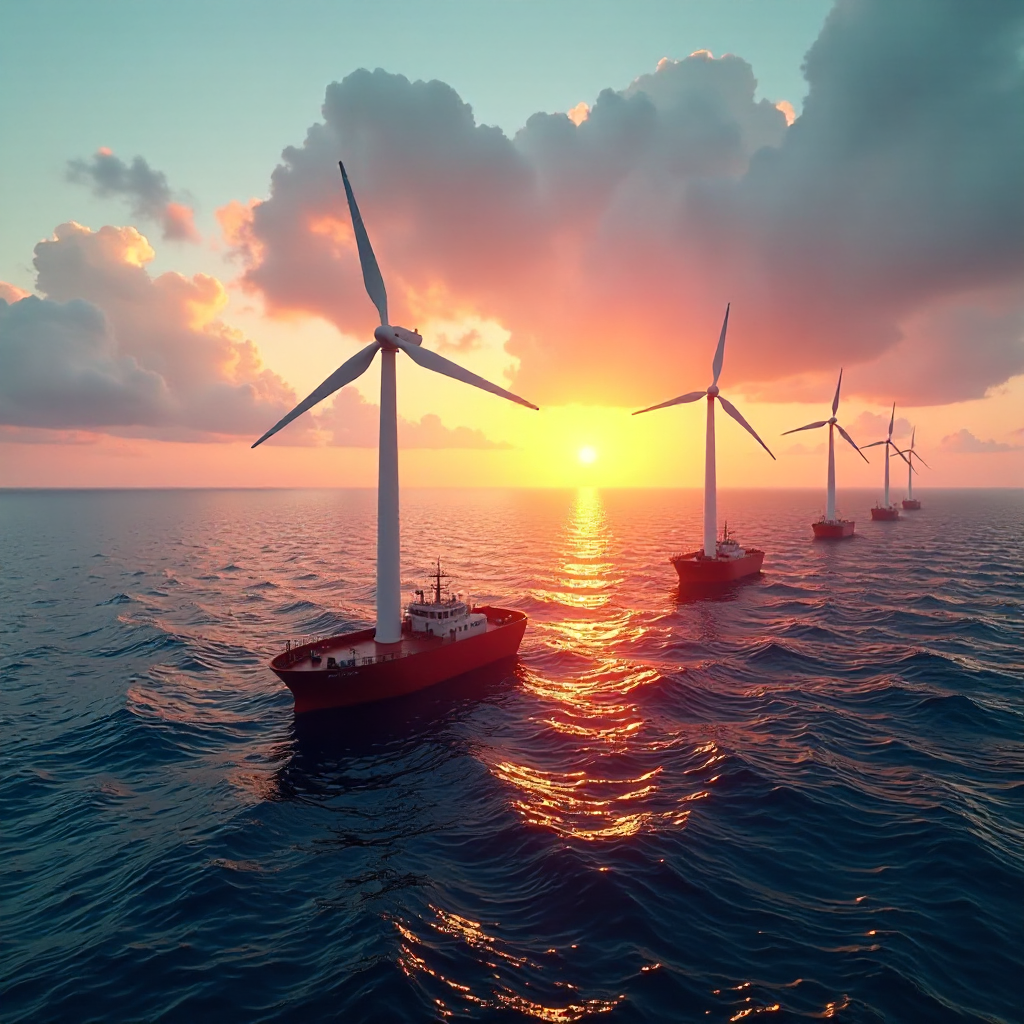
The consequences are financial as much as technical. When a specialized vessel sits idle waiting for a suitable weather window, day-rates — which can run into hundreds of thousands of euros per day for large Wind Turbine Installation Vessels (WTIVs) — continue accumulating. A single weather delay of several days can erase the margin on an entire installation campaign.
Beyond weather, the offshore environment demands corrosion-resistant materials, subsea cable management, and remote access strategies that simply don't exist in onshore contexts. These aren't incremental complications — they're structural differences that require purpose-built solutions at every stage of the project lifecycle.
Logistical and Vessel Constraints Slowing Deployment
The shortage of purpose-built installation vessels is currently one of the most acute bottlenecks in offshore wind scale-up. The global fleet of heavy-lift WTIVs capable of handling next-generation turbines — 15 MW and above — is small, and the orderbook for new vessels takes years to fulfill.
Turbine sizes have grown faster than vessel capacity. The transition from 8 MW to 15+ MW machines requires vessels with greater crane height, deck load capacity, and leg length for jack-up operations in deeper waters. Many existing vessels simply can't handle the geometry of modern turbines, creating a mismatch between available hardware and project requirements.
Port infrastructure adds another layer of constraint. Marshalling ports need sufficient quayside depth, laydown area, and heavy-lift capability to pre-assemble components before they reach the vessel. In many European markets, port upgrades are lagging behind project pipelines, creating scheduling bottlenecks that cascade through installation programs.
Weather window constraints interact with vessel scarcity in a compounding way: when a vessel is finally available, a short weather window may allow only partial installation, requiring the vessel to return — at full day-rate — for completion.
Foundation Installation: Technical Risks Below the Waterline
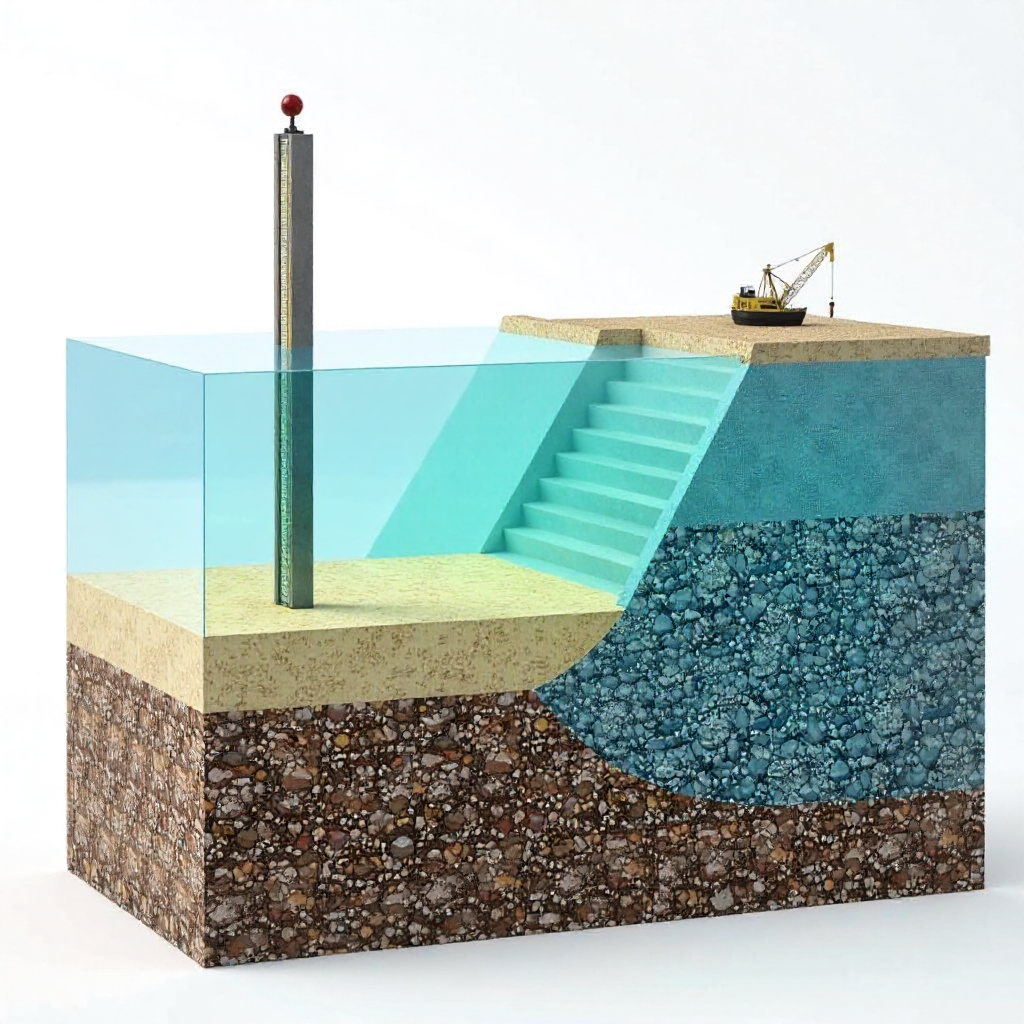
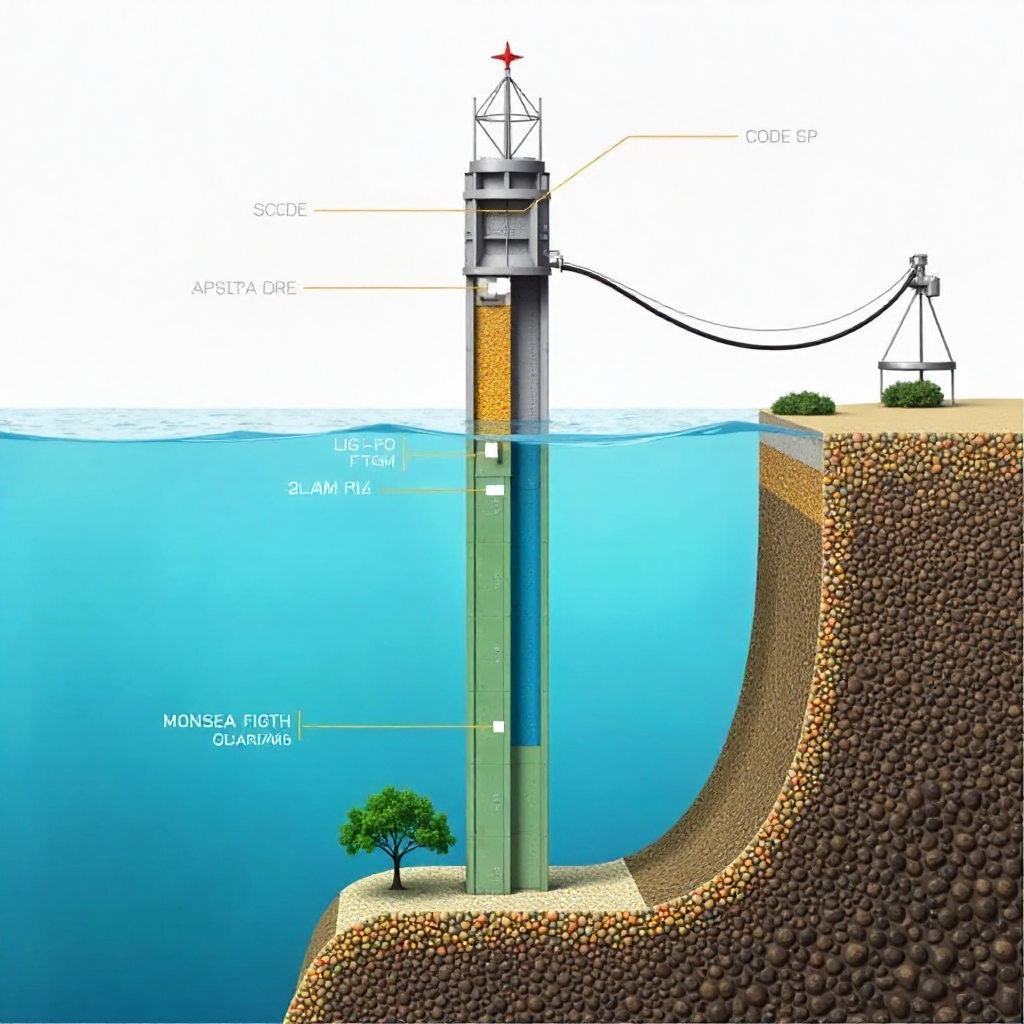
Foundation installation carries some of the highest technical risk in an offshore wind project, with consequences that are difficult and expensive to remediate once the structure is in place. Monopile driving, the dominant foundation method in shallow to medium-depth waters, involves hammering steel tubes with diameters now exceeding 10 meters into the seabed — a process sensitive to soil layering, boulder obstructions, and fatigue accumulation in the steel.
Refusal — when a monopile cannot be driven to the target depth due to unexpected substrate conditions — is a serious risk. Soil investigation campaigns reduce but don't eliminate this uncertainty, particularly in geologically variable areas of the North Sea or Baltic.

Jacket foundations, used in deeper or more complex seabed conditions, require precise multi-leg positioning and grouted connections that are sensitive to marine growth and long-term fatigue. Scour protection — the rock armor placed around foundation bases to prevent seabed erosion — must be sized correctly from the outset; retrofitting scour protection is costly and operationally disruptive. Getting the geotechnical inputs right before installation is not just best practice; it's a direct cost driver.
Subsea Cabling and Grid Connection Failures
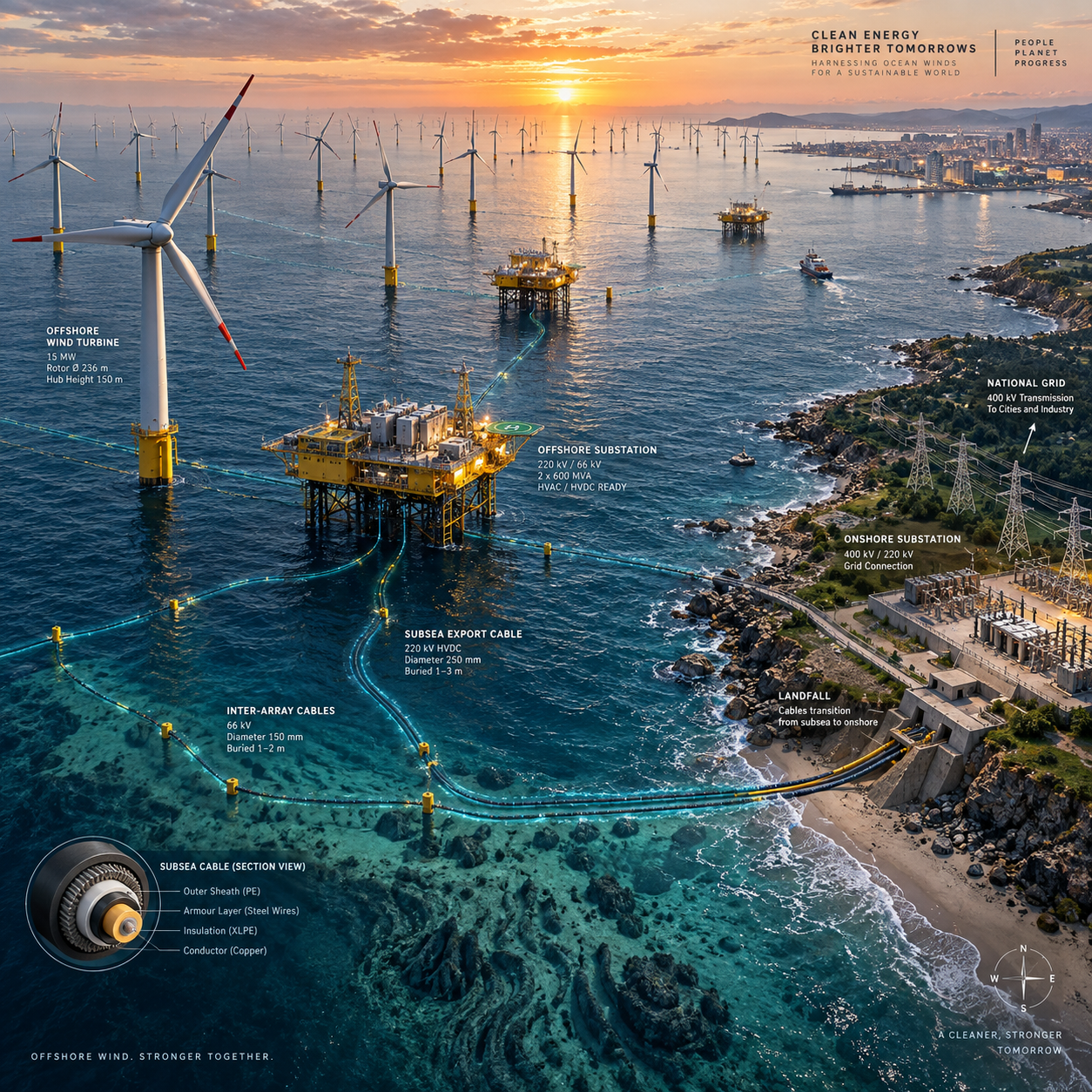
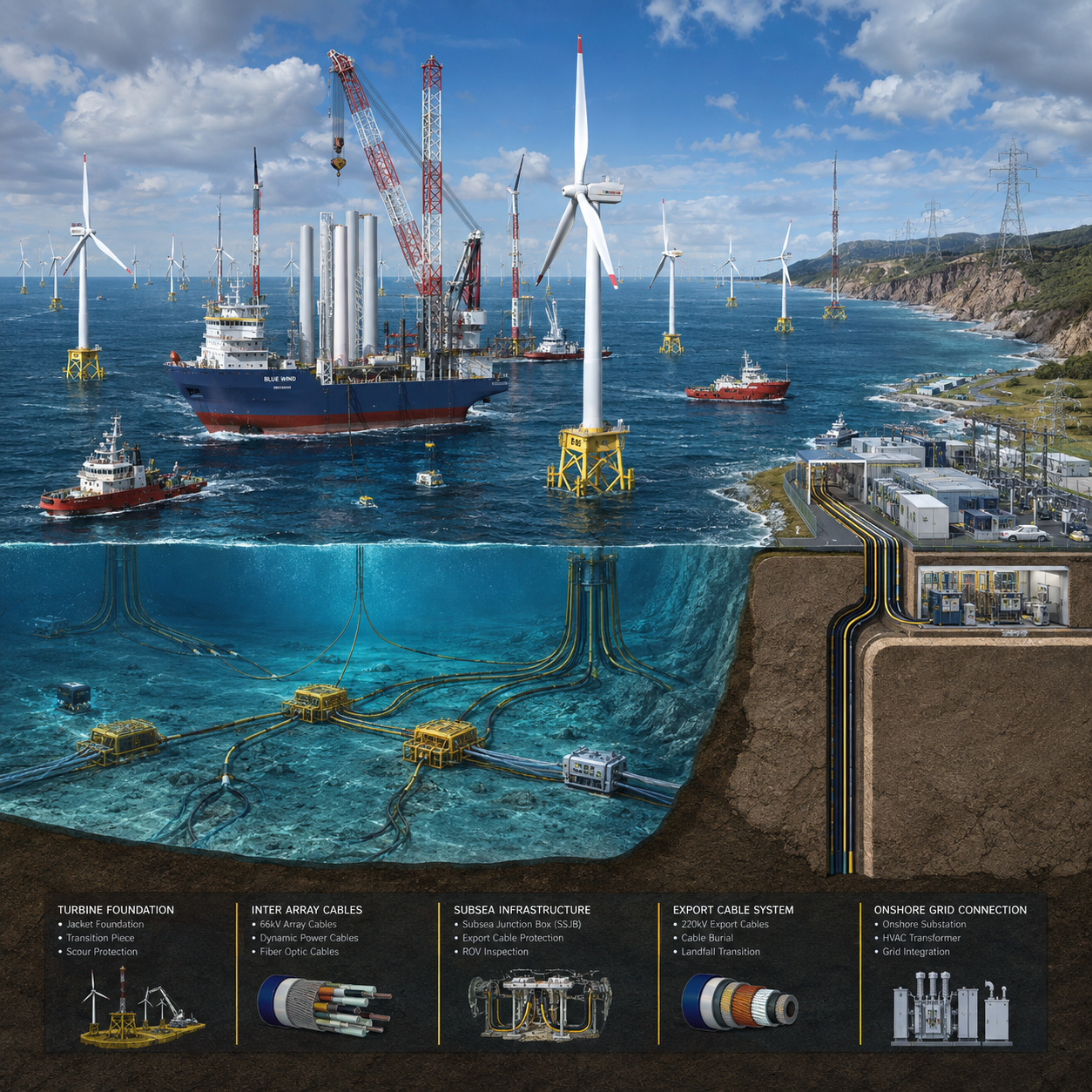
Cable faults are the leading cause of unplanned downtime in operating offshore wind farms, accounting for a disproportionate share of O&M costs relative to their initial capital expenditure. Inter-array cables — the medium-voltage cables connecting turbines within a wind farm — and export cables connecting the farm to the onshore grid are both vulnerable to installation damage, dynamic fatigue near cable hang-off points, and long-term insulation degradation.
Installation itself introduces risk. Cable laying vessels must maintain precise tension and burial depth across varying seabed profiles. A cable that's insufficiently buried in a high-traffic fishing area, or that experiences excessive bending during J-tube entry into a monopile, may fail years before its design life.
Repair costs for subsea cable faults are significant. Export cable repairs in particular require specialized cable lay vessels, precise fault location, and sometimes weeks of vessel mobilization time. The cost per repair event can reach millions of euros, and the lost generation revenue during downtime adds further financial pressure. This makes cable laying and inter-array grid connection quality control during installation one of the highest-leverage areas for cost reduction in the industry.
Operations and Maintenance in Harsh Marine Environments
Long-term O&M costs represent a substantial portion of the total lifetime cost of an offshore wind farm, and the marine environment is relentless in degrading assets. Three mechanisms dominate: corrosion, biofouling, and blade surface degradation.
Corrosion in the splash zone — the area of a monopile alternately exposed to air and seawater — is particularly aggressive. Protective coatings and sacrificial anodes slow the process but require periodic inspection and replacement. Biofouling on submerged structures increases hydrodynamic loading and accelerates corrosion beneath marine growth layers, complicating inspection and adding mass that affects structural calculations.
Blade leading-edge erosion is a well-documented performance issue. At tip speeds above 80 m/s, rain and particulate impact progressively degrades blade surfaces, reducing aerodynamic efficiency and potentially leading to structural delamination. Repair campaigns require either costly jack-up vessel access or rope-access technicians working in challenging conditions.
Access itself is a persistent constraint. Crew Transfer Vessels (CTVs) operating in significant wave heights above 1.5 meters face safety restrictions that limit technician access windows. Larger Service Operation Vessels (SOVs) extend the operational envelope but come with higher day-rates. Every day a turbine sits unavailable while technicians wait for suitable access conditions represents lost revenue and elevated O&M cost per MWh.
How Demonstration Projects and TRL Progression Are Tackling These Barriers
Innovation funding programs like DemoWind ERA-NET exist precisely because the gap between a promising laboratory concept and a commercially deployable offshore technology is wide, expensive to cross, and rarely attractive to private capital alone. The Technology Readiness Level (TRL) framework — which scales from basic research (TRL 1) through full commercial deployment (TRL 9) — provides a structured way to identify where intervention creates the most leverage.
Many of the solutions most needed in offshore wind installation and maintenance currently sit in the TRL 4–7 range: validated in laboratory or small-scale field conditions, but not yet proven at commercial scale in real offshore environments. Robotic inspection platforms, advanced anti-corrosion coatings, and autonomous cable fault detection systems all fall into this category. Without targeted demonstration funding, technologies at TRL 5–6 often stall — too mature for research grants, too unproven for project developers to accept the risk.
DemoWind ERA-NET addresses this by co-funding transnational demonstration projects that move specific technologies through the TRL valley of death toward commercial readiness. The program's focus on practical, deployment-relevant challenges — rather than fundamental research — means funded projects are directly linked to the cost reduction priorities identified by the industry. A demonstration of an improved scour protection installation method, for instance, doesn't just validate a technical concept; it generates the operational data that project developers need to de-risk adoption.
The Path Forward — Cost Reduction Through Smarter Technology
Reducing offshore wind LCOE from here requires compressing costs at multiple points simultaneously — installation efficiency, cable reliability, and O&M productivity all need to improve in parallel. No single technology solves the problem.
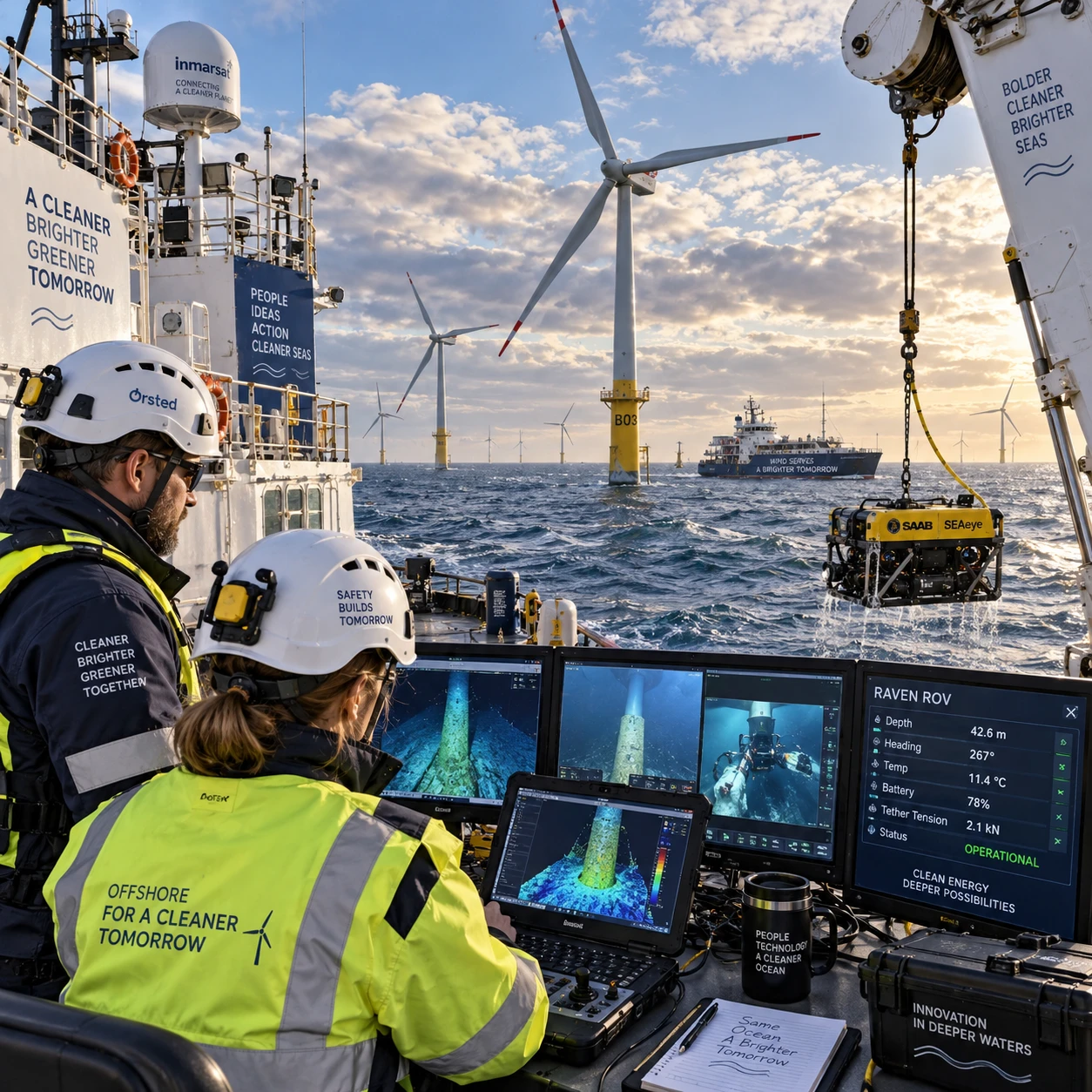
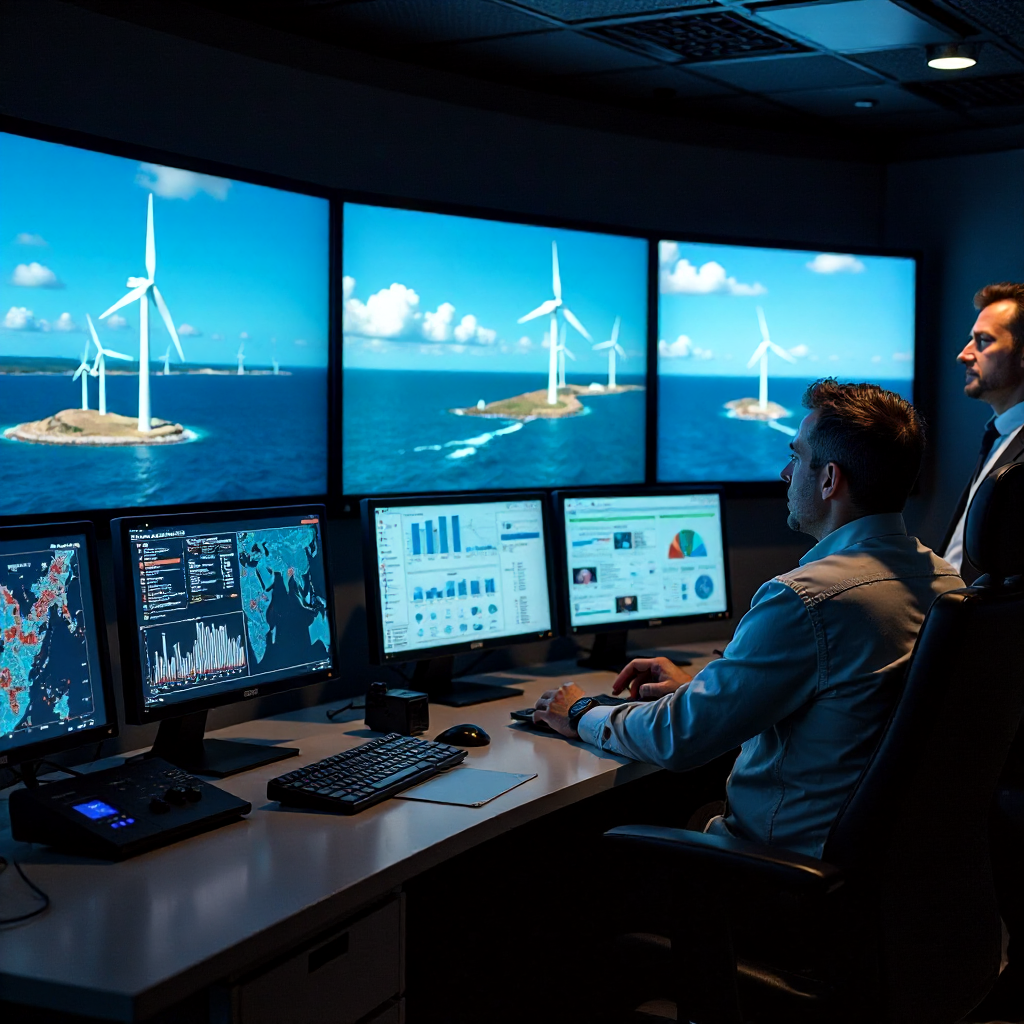
Remote inspection and robotics are among the most promising near-term contributors. Autonomous underwater vehicles (AUVs) for foundation and cable inspection, drone-based blade assessment, and robotic cleaning systems for biofouled structures can all reduce the need for expensive vessel mobilization and human access in marginal weather. The key is getting these tools to TRL 8–9 through structured demonstration programs, not just proof-of-concept trials.
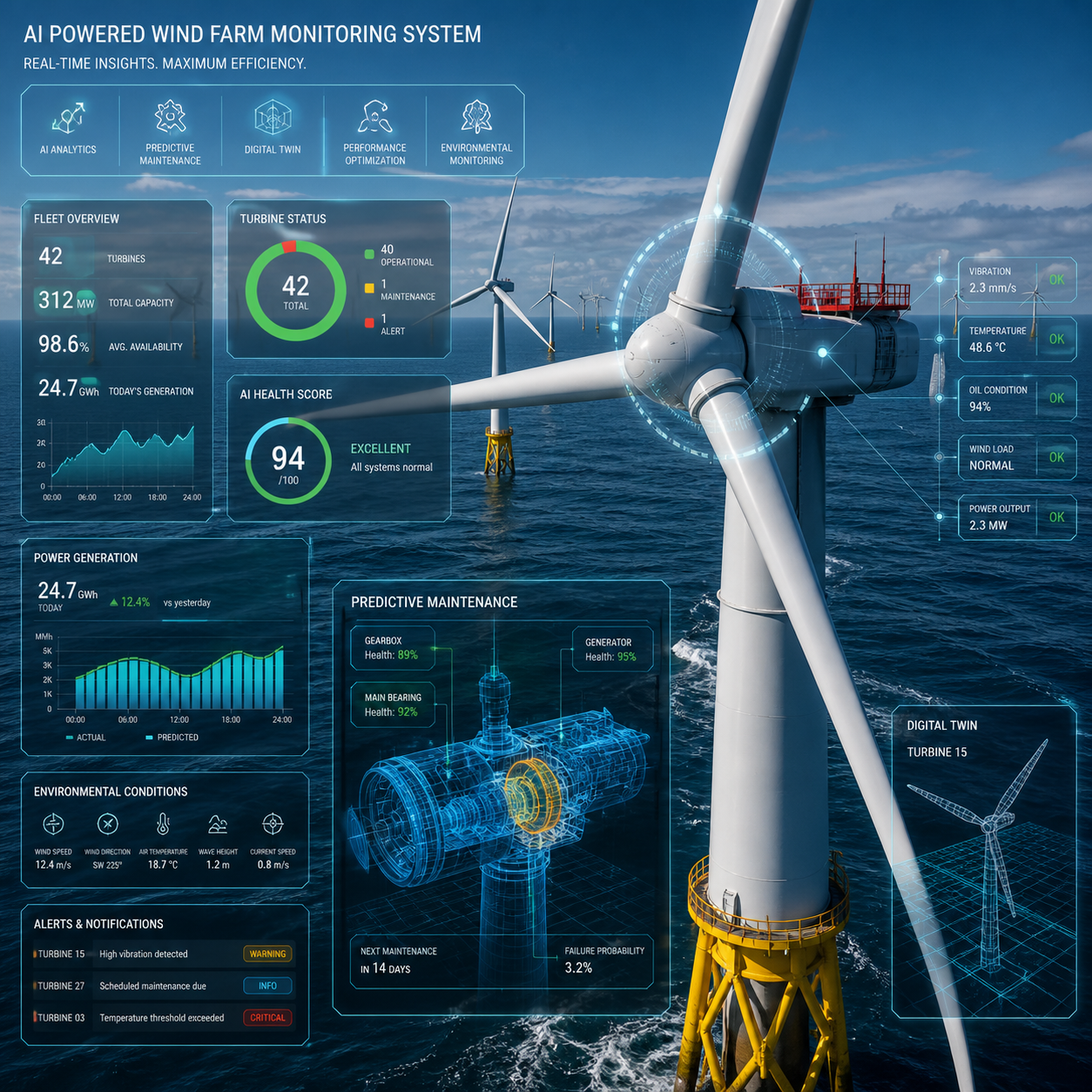
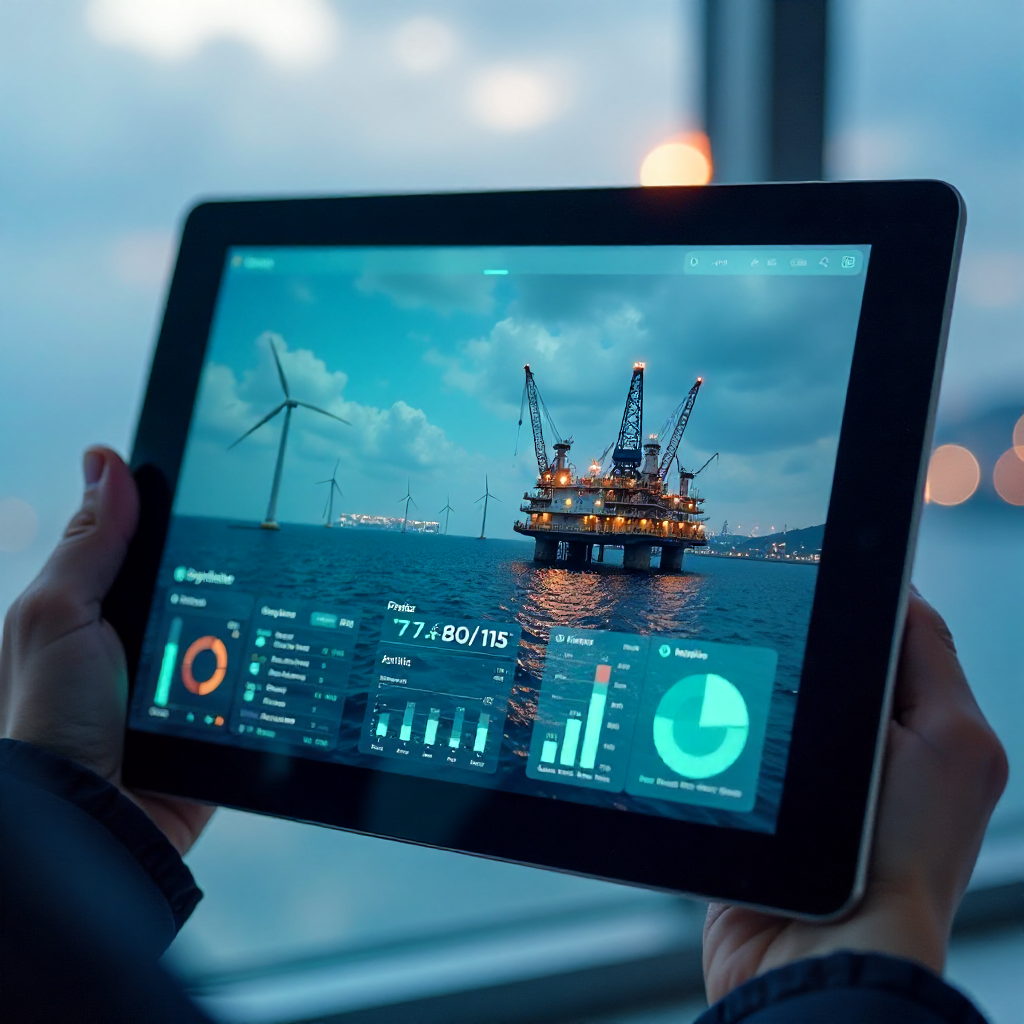
Digital twins — real-time computational models of individual turbines and foundations updated with sensor data — are beginning to shift maintenance from time-based schedules to condition-based interventions. This reduces unnecessary access campaigns while catching developing faults before they cause failures. The data infrastructure required is substantial, but the operational savings potential is significant.
Collaborative R&D funding, including through mechanisms like DemoWind ERA-NET, plays a structural role here. Offshore wind cost reduction is not a competitive advantage that any single developer can fully capture — it's a shared infrastructure problem. Pooling resources across national programs to fund transnational demonstrations accelerates the maturation of enabling technologies faster than any individual organization could achieve alone.
The industry has already demonstrated that LCOE reduction at scale is achievable. The next phase requires moving the most technically challenging solutions — in vessel operations, foundation engineering, cable management, and O&M — from promising demonstrations into standard practice.
Frequently Asked Questions
What is the most expensive phase of an offshore wind project — installation or maintenance?
Installation typically carries the highest single-phase capital cost, driven by specialized vessel day-rates and the compressed timeline of offshore campaigns. However, O&M costs accumulate over a 25–30 year operational life and can represent 25–35% of total lifetime project cost, making them the larger aggregate expenditure in many projects.
How do weather windows affect offshore wind installation timelines?
Weather window constraints directly limit the number of productive installation days available per season. Heavy-lift operations typically require wave heights below 1.5–2 meters and wind speeds below 10–12 m/s. In the North Sea, suitable windows can be limited to specific months, and a single weather delay can push a campaign into the following season, significantly increasing costs.
What role do demonstration projects play in reducing offshore wind costs?
Demonstration projects bridge the gap between laboratory-validated concepts and commercially deployable technologies. Programs like DemoWind ERA-NET fund real-world testing of solutions at TRL 4–7, generating the operational data and performance evidence that project developers need before adopting new approaches at scale.
How are robots and drones being used for offshore wind maintenance?
Remote inspection and robotics are increasingly used for blade inspection (drones with high-resolution cameras), foundation and cable inspection (AUVs), and biofouling removal (robotic cleaning systems). These tools reduce vessel mobilization requirements and extend the range of conditions under which inspection work can safely proceed.
What does TRL progression mean for offshore wind technology deployment?
Technology Readiness Level (TRL) progression describes the systematic advancement of a technology from basic concept through laboratory validation, prototype testing, and field demonstration to full commercial deployment. For offshore wind, moving a technology from TRL 5 to TRL 7–8 through structured demonstration programs is often the critical step that makes commercial adoption viable.