The Role of Digital Twins in Wind Farm Optimization
Introduction to Digital Twins in Renewable Energy
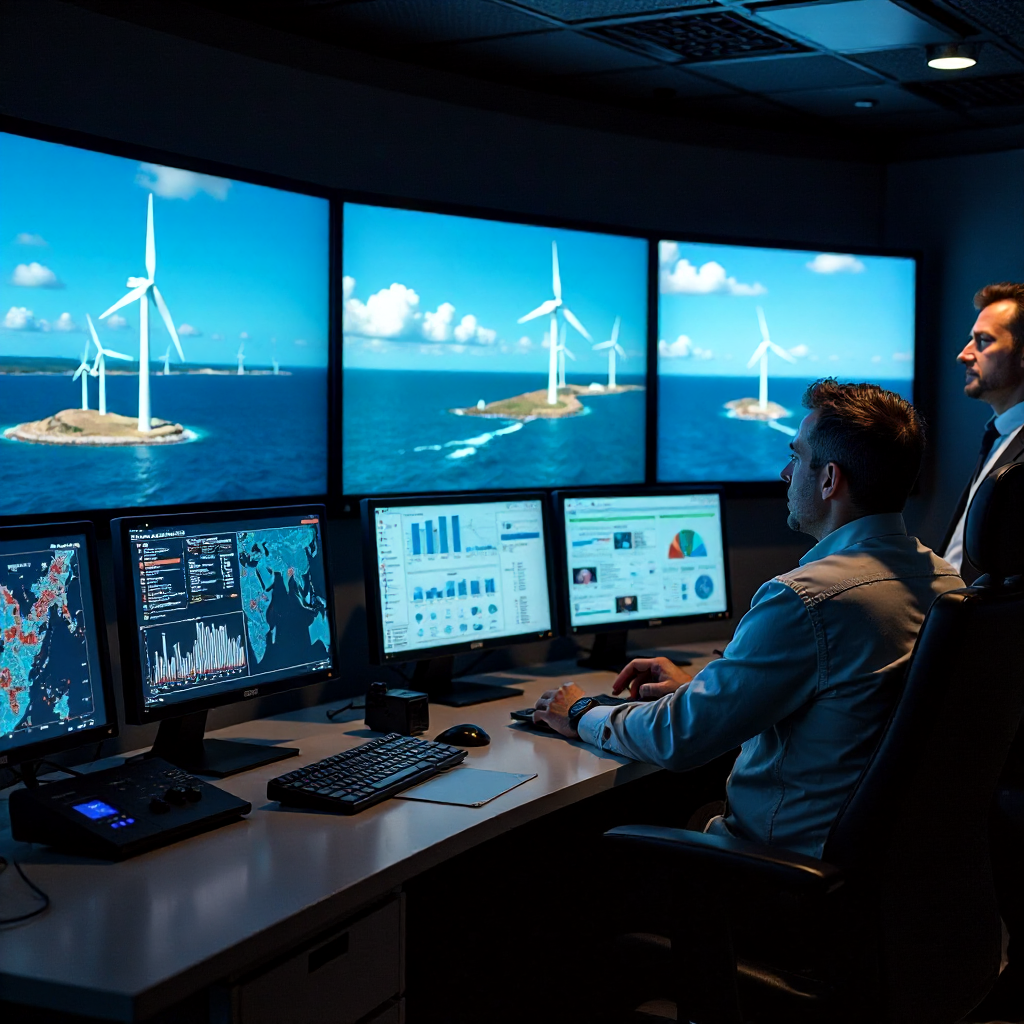
A digital twin is a virtual replica of a physical system that uses real-time data to simulate, analyze, and optimize performance. In renewable energy, especially offshore wind farms, digital twins play a pivotal role in enhancing the design, operation, and maintenance of turbines and infrastructure.
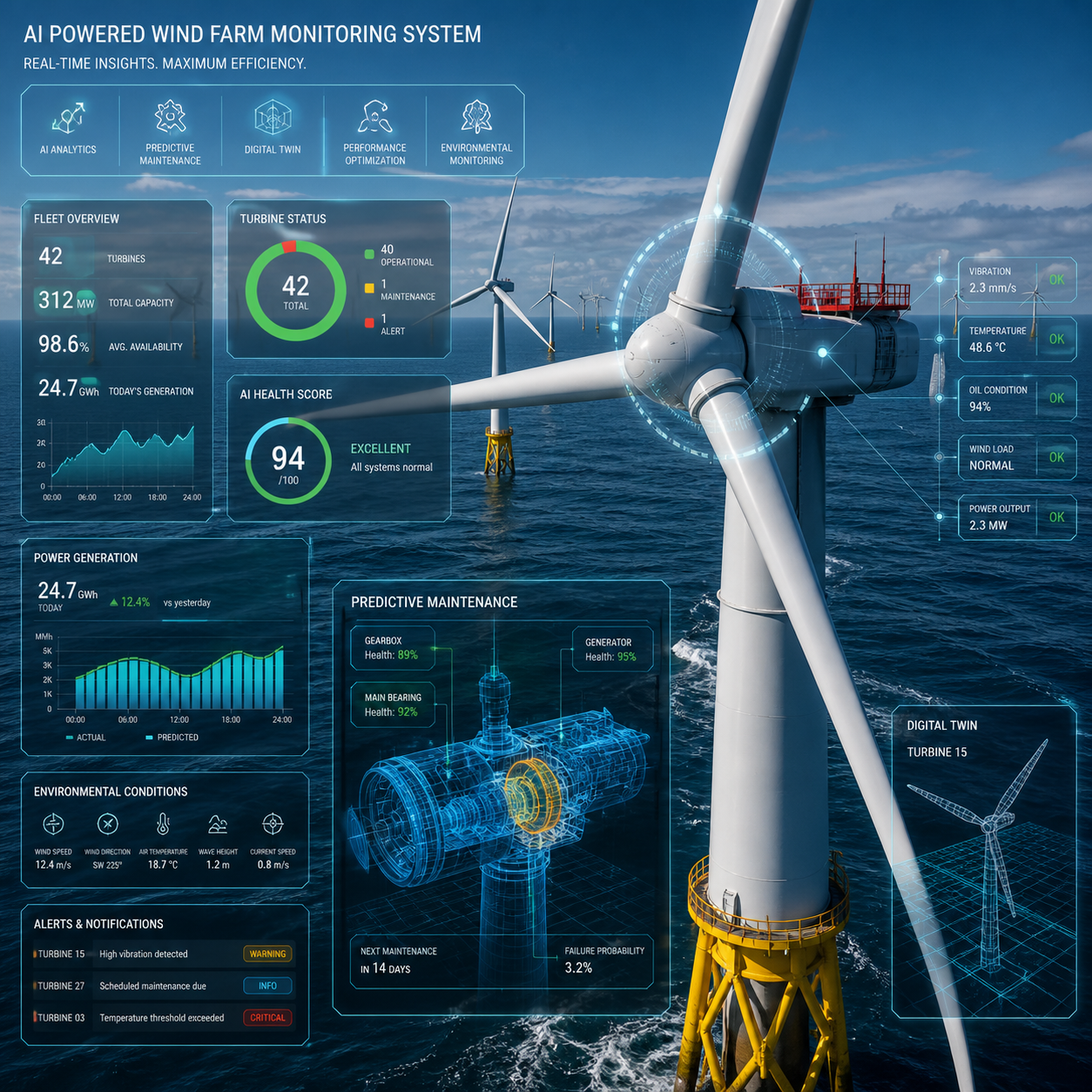
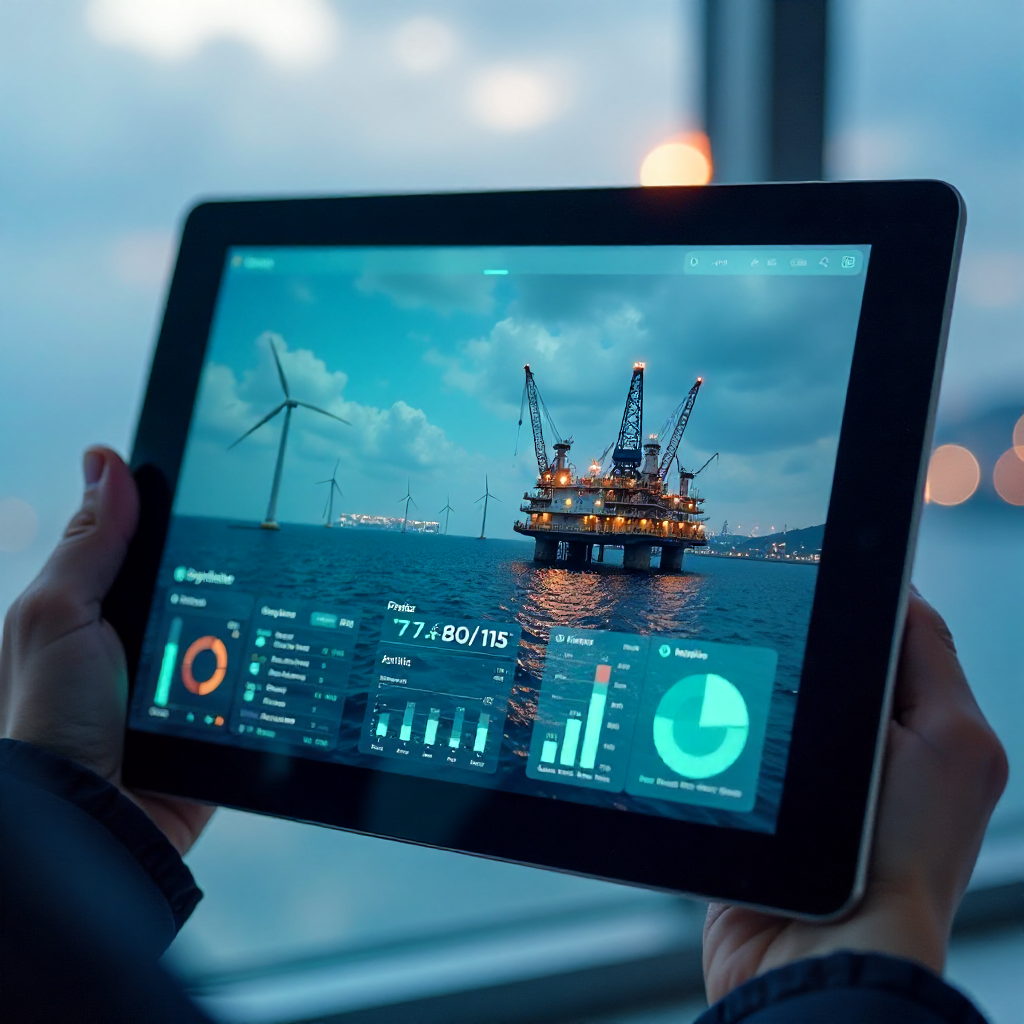
By integrating sensor data, weather forecasts, and engineering models, digital twins provide a dynamic, data-driven environment to predict and improve wind farm behavior. This technology allows operators to mirror complex offshore wind technology systems virtually, enabling proactive management and innovation.
How Digital Twins Enhance Wind Farm Optimization
Digital twins enhance wind farm optimization by enabling detailed predictive analytics and informed decision-making for operations. They simulate turbine behavior under variable conditions, allowing operators to anticipate faults and optimize turbine settings dynamically.
This results in improved control of wind turbines, better alignment with fluctuating wind patterns, and minimization of downtime. Digital twins integrate with control systems to optimize blade pitch, yaw, and generator torque for maximum energy yield and reduced mechanical stress.
Furthermore, by modeling entire wind farms—including wake effects between turbines—digital twins help in layout optimization and operational scheduling to maximize overall output and efficiency.
Impact on Cost Reduction and Efficiency Gains
Digital twins significantly reduce costs and boost operational efficiency through enhanced predictive maintenance and energy yield improvement. By forecasting component wear and potential failures, they minimize unexpected downtime and costly repairs.
Operational efficiency gains arise from optimized turbine performance and reduced energy losses. For example, adjusting operational parameters based on realtime data cuts energy wastage and increases the capacity factor of offshore wind farms.
This digital approach also lowers monitoring and inspection expenses, which traditionally require costly offshore access. Reduced maintenance trips translate directly into financial savings and safer working conditions.
In essence, digital twins offer a pathway to cut operational expenses by up to 15-25% depending on farm size and complexity, while simultaneously increasing energy output through smarter asset management.
Advancing Technology Readiness Levels (TRL) through Digital Twins
Digital twins accelerate the progression of Technology Readiness Levels (TRL) for offshore wind technology by providing a robust virtual testing and validation platform. This allows new turbine designs and operational strategies to be verified under realistic conditions without costly physical prototypes.
This simulation-based approach hastens innovation cycles, enabling developers to iterate quickly and identify technical risks early. It also improves stakeholder confidence in new technologies, smoothing the path from concept (TRL 1-3) to demonstration and deployment (TRL 6-9).
For offshore projects, where physical testing involves complex logistics and high capital expenditure, digital twins reduce barriers to entry and speed up TRL progression by allowing early-stage validation and scenario testing prior to costly offshore installations.
The Role of Innovation Funding and DemoWind ERA-NET
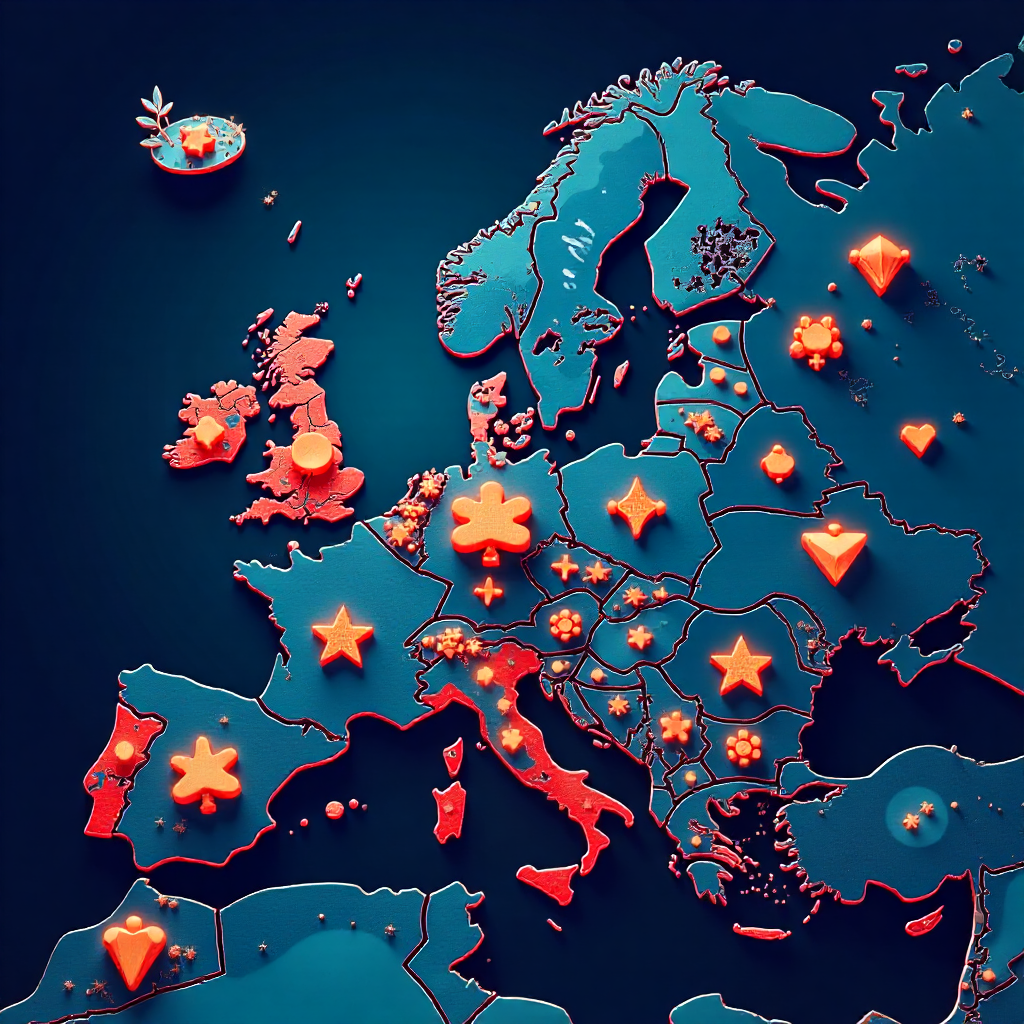
Innovation funding programs, like DemoWind ERA-NET, play a crucial role in supporting the development and deployment of digital twins in offshore wind farms. They provide financial resources to advance offshore wind technology demonstration projects that integrate digital twin solutions.
DemoWind ERA-NET focuses on accelerating offshore wind technology maturity while reducing costs. By funding pilot projects that utilize digital twins for wind farm optimization and operation, the initiative fosters collaboration between industry, academia, and research institutes.
This support helps overcome technical and economic barriers, ultimately promoting wider adoption of digital twin technology. It also contributes to the standardization and interoperability of digital tools across European offshore wind projects.
Case Studies and Practical Applications
Several offshore wind projects have successfully harnessed digital twins to optimize performance and reduce costs. For instance, a North Sea offshore wind farm used a digital twin to simulate wake interactions among turbines, leading to layout adjustments that boosted energy yield by 3% annually.
In another example, predictive maintenance enabled by a digital twin reduced unscheduled turbine downtime by 20%, saving millions in repair costs and lost revenues. Operators could schedule maintenance during low wind periods, reducing production losses.
Hypothetically, an offshore project leveraging digital twins might detect gearbox anomalies weeks before failure, allowing for planned interventions that prevent catastrophic breakdowns and extend turbine lifespan.
These examples underscore the practical benefits of digital twins—enabling real-time operational improvements, cost efficiencies, and safer maintenance practices.
Challenges and Future Outlook
Despite their promise, digital twins face challenges such as high initial development costs, data integration complexities, and the need for skilled personnel to interpret outputs. Interoperability across different turbine manufacturers and control systems remains an ongoing hurdle.
The future outlook is positive, with ongoing innovation in AI-driven analytics and cloud computing making digital twins more accessible and powerful. Trends indicate increasing use of digital twins integrated with IoT and edge computing, enabling near-instantaneous optimization and predictive insights.
Additionally, collaboration supported by funding initiatives like DemoWind ERA-NET will continue to drive TRL progression and cost reduction, fostering an ecosystem where digital twins become a standard tool in offshore wind farm operations.
FAQ
What is a digital twin and how does it work in wind farms?
A digital twin is a detailed virtual model of a wind turbine or an entire wind farm that uses real-time sensor data and simulation to monitor, predict, and optimize performance. It helps operators visualize the physical asset’s behavior and make informed decisions.
How do digital twins reduce costs in offshore wind projects?
They lower costs by enabling predictive maintenance, reducing unplanned downtime, optimizing energy yield, and cutting the need for expensive manual inspections and repairs offshore.
What role does DemoWind ERA-NET play in advancing digital twin technology?
DemoWind ERA-NET provides funding and collaboration frameworks to accelerate offshore wind technology demonstrations that incorporate digital twins, helping reduce costs and increase technology readiness levels.
Can digital twins improve wind farm energy yield reliability?
Yes, by simulating and optimizing turbine operations and wake effects, digital twins help maximize energy production while minimizing variability and losses.
What challenges do operators face when implementing digital twins?
Common challenges include integrating diverse data sources, ensuring interoperability, managing development costs, and training staff to utilize complex analytical outputs effectively.