How Floating Wind Platforms Are Changing the Industry

Introduction to Floating Wind Platforms

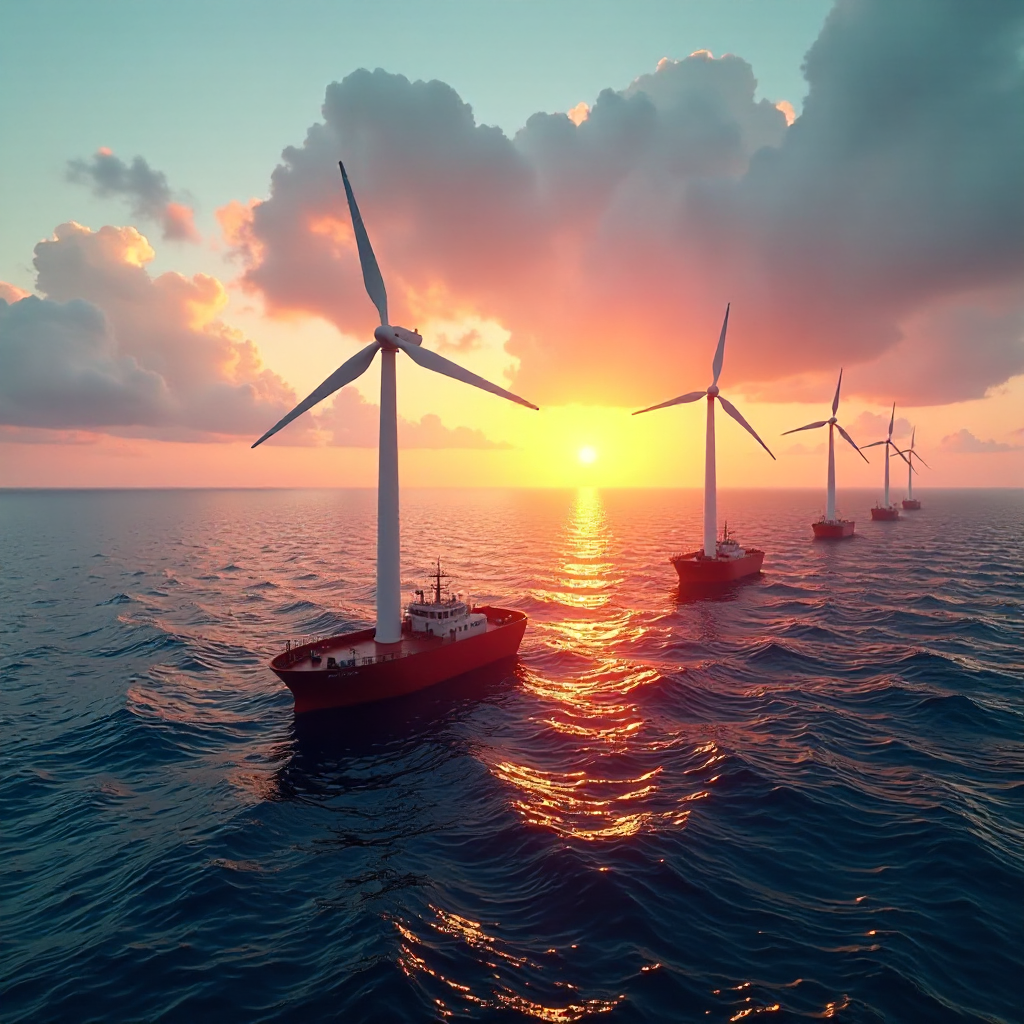
Floating wind platforms are offshore wind turbine structures designed to operate in deep waters where fixed-bottom turbines are impractical. Unlike traditional fixed-bottom turbines that require shallow seabeds, these platforms use buoyant structures anchored by mooring lines, allowing deployment in water depths over 60 meters. This technological shift is gaining momentum as it unlocks vast new areas for offshore wind farms, significantly increasing the global renewable energy potential.

The growing industry relevance of floating wind platforms stems from their ability to tap into stronger, more consistent winds found further offshore. Unlike fixed turbines limited nearshore due to seabed conditions and environmental constraints, floating platforms enable larger-scale and more flexible wind farm placements. This transforms wind-energy strategies by opening deep-water sites previously unsuitable for development.

Technological Innovations Driving Floating Wind

Key engineering advances are making floating wind platforms feasible and efficient. These include novel floating hull designs such as spar-buoys, semi-submersibles, and tension-leg platforms that balance stability with reduced material use. Advanced mooring and anchoring systems now enable secure operation in harsh ocean conditions while minimizing seabed disturbance.

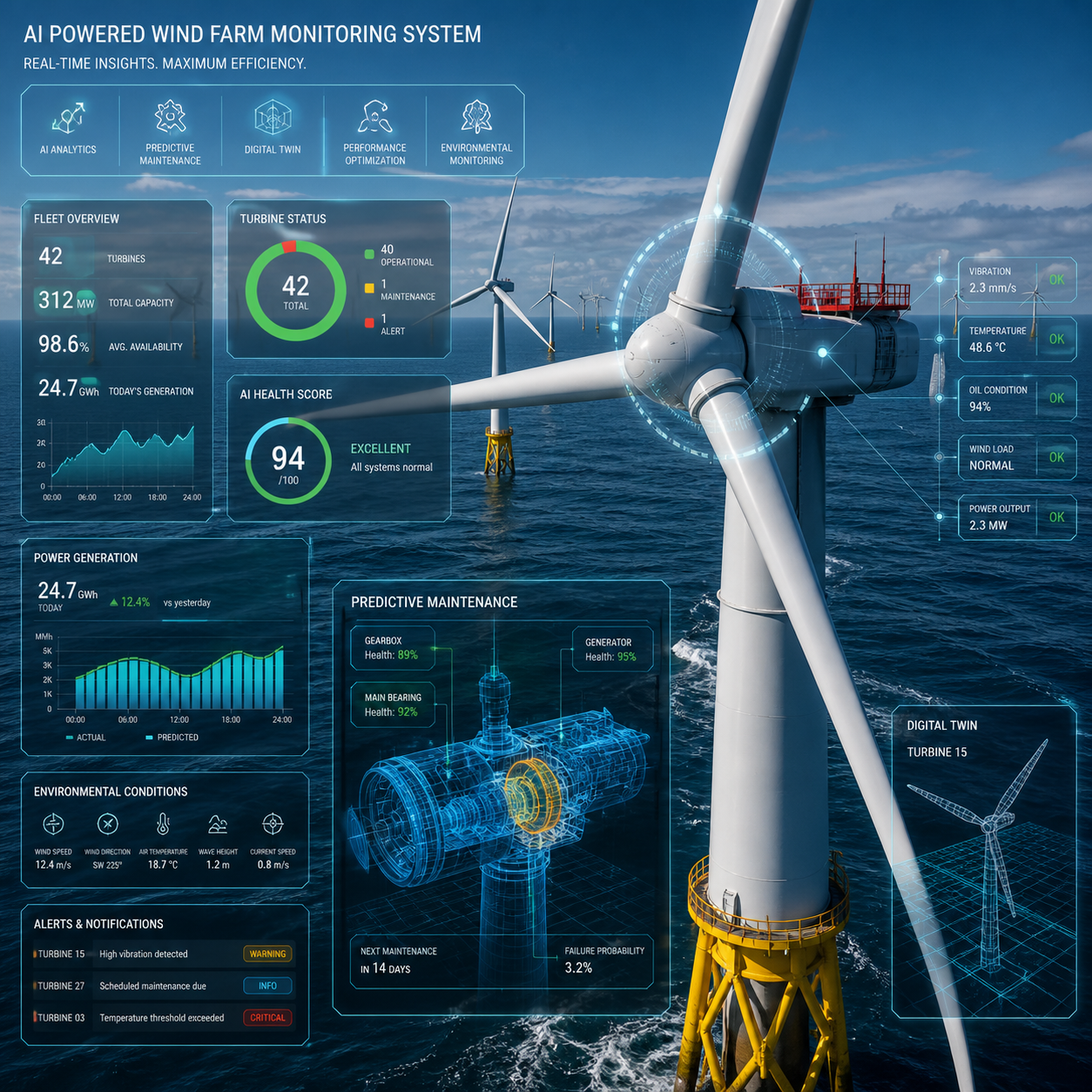
Additionally, innovations in numerical modeling and testing have refined platform dynamics prediction, improving design reliability and safety. Coupled with enhanced turbine technology adapted for floating motion, these developments boost overall performance and lifespan. The integration of sensors and real-time monitoring further optimizes maintenance schedules and operational efficiency, driving down lifecycle costs.

Role of DemoWind ERA-NET in Offshore Wind Demonstrations

DemoWind ERA-NET is a critical initiative accelerating offshore wind technology demonstrations, especially for floating wind platforms. By coordinating collaborative funding and knowledge exchange across European countries, it fast-tracks projects through Technology Readiness Level (TRL) progression stages from concept validation to commercial-scale demonstration.

This program targets reducing risks associated with emerging floating wind technologies by supporting pilot projects that validate innovative designs and operational concepts. DemoWind ERA-NET's coordinated funding streams and technical guidance provide essential backing for developers navigating the complex offshore environment. As a result, it catalyzes faster market integration and policy acceptance for floating wind innovations.

Cost Reduction and Economic Viability

Floating wind platforms reduce overall offshore wind costs by eliminating the need for expensive seabed foundations and enabling installation in previously inaccessible sites. Installation processes become faster and less dependent on specialized vessels, lowering capital expenditure significantly. Also, maintaining floating turbines often requires less disruptive offshore operations.

Several cost reduction strategies include standardizing modular platform components, improving supply chain logistics, and optimizing floating platform designs through iterative modeling. Economies of scale achieved by farm scalability in deeper waters further drive down the levelized cost of energy (LCOE). Current studies indicate potential cost reductions of 30-40% over the next decade as technology matures and TRL advances.

Environmental and Operational Benefits

Floating wind farms offer environmental benefits by minimizing seabed impact and allowing deployment in ecologically sensitive or deep-water areas. Unlike fixed-bottom foundations, mooring systems reduce seabed disturbance, preserving marine habitats. Their flexible placement also helps avoid shipping lanes and fishing grounds, improving coexistence with maritime activities.

Operationally, floating platforms access more consistent offshore wind resources found in deeper waters, enhancing energy yield and grid reliability. This flexibility also enables easier relocation or upgrade of turbines compared to fixed structures. Additionally, the reduced noise and seabed disruption during installation translate to fewer adverse effects on marine wildlife.

Challenges and Future Outlook

Despite their promise, floating wind platforms face challenges including high upfront costs, complex mooring design, and limited full-scale operational data. The harsh offshore environment demands robust materials and resilient control systems to manage platform motion. Grid connection and market integration remain hurdles in some regions due to distance from shore and regulatory fragmentation.

Ongoing research focuses on advancing numerical modeling accuracy, improving mooring reliability, and developing next-generation materials to extend platform lifespan. As TRL progresses through DemoWind ERA-NET and similar initiatives, confidence in floating wind solutions grows. The future outlook anticipates rapid expansion in installation volumes alongside policy frameworks that support offshore wind expansion globally.

Funding and Policy Support for Floating Wind Innovation

Wind-energy innovation funding is vital to accelerating floating wind commercialization. Public-private partnerships, EU grants like those under DemoWind ERA-NET, and national renewable energy funds provide essential capital for demonstration projects and technology scaling. These funding mechanisms help reduce financial risk for developers and encourage knowledge sharing.

Policy support further complements funding through streamlined permitting processes, offshore wind leasing rounds, and incentives such as feed-in tariffs or contracts for difference. Coordinated market integration and environmental assessment frameworks ensure sustainable growth. Countries leading in floating wind deployment increasingly incorporate comprehensive policy measures combining fiscal support with robust regulatory standards.

FAQ

What distinguishes floating wind platforms from conventional offshore turbines?

Floating wind platforms differ from conventional fixed-bottom turbines primarily in their foundation: they use buoyant, moored structures instead of rigid seabed anchors. This allows deployment in deep waters where fixed foundations are not feasible, expanding offshore wind potential.

How does DemoWind ERA-NET support offshore wind project demonstrations?

DemoWind ERA-NET supports offshore wind demonstrations by pooling multinational funding and expertise to advance projects through Technology Readiness Levels. It facilitates pilot testing, risk reduction, and market integration of innovative floating wind technologies.

What are the main cost drivers in floating wind technology?

Main cost drivers include platform design complexity, installation vessel requirements, mooring system durability, and grid connection expenses. Standardization and scaling can mitigate these, reducing the levelized cost of energy over time.

What environmental benefits do floating wind farms offer?

Floating wind farms reduce seabed disturbance due to moored foundations, minimize noise pollution during installation, and enable siting in deeper waters that avoid sensitive coastal ecosystems and human activities.

What is the future outlook for floating wind in global energy markets?

The future outlook is positive, with rapidly maturing technology readiness, expanding demonstration projects, increasing cost competitiveness, and growing policy support paving the way for floating wind to become a major offshore energy source worldwide.

{{HOMEPAGE_LINKS}}